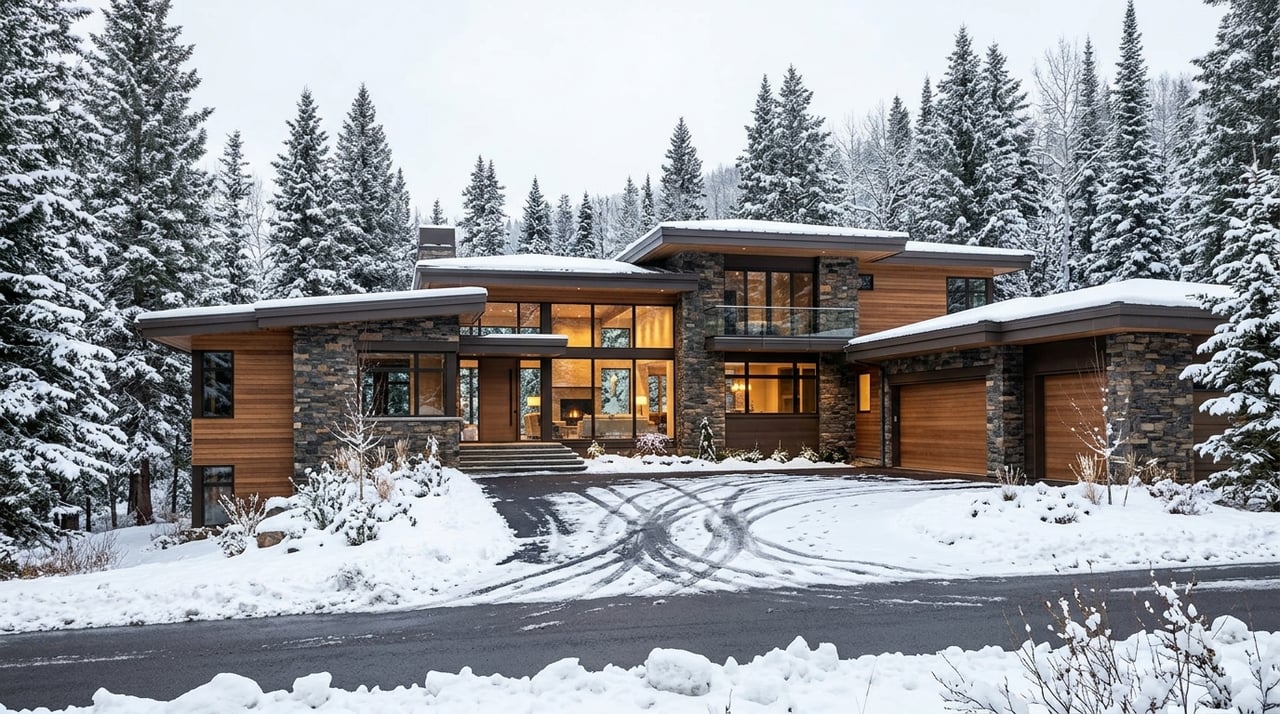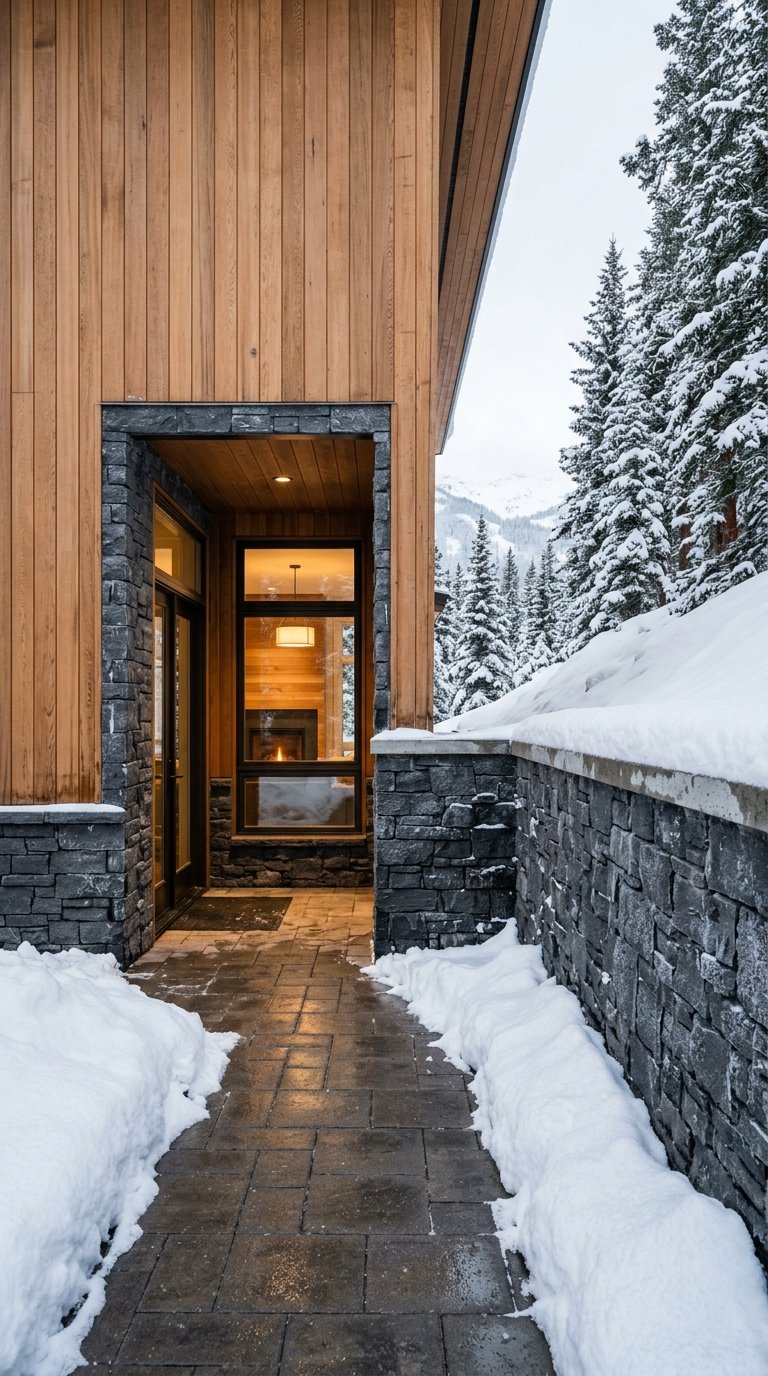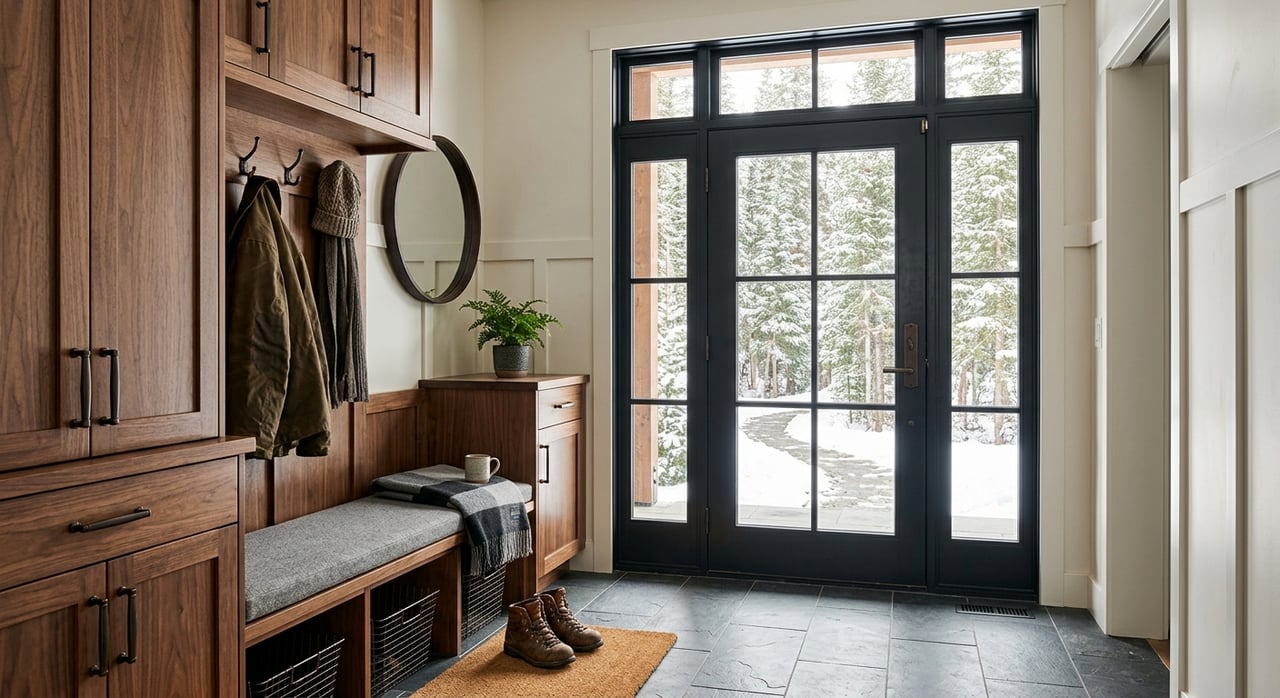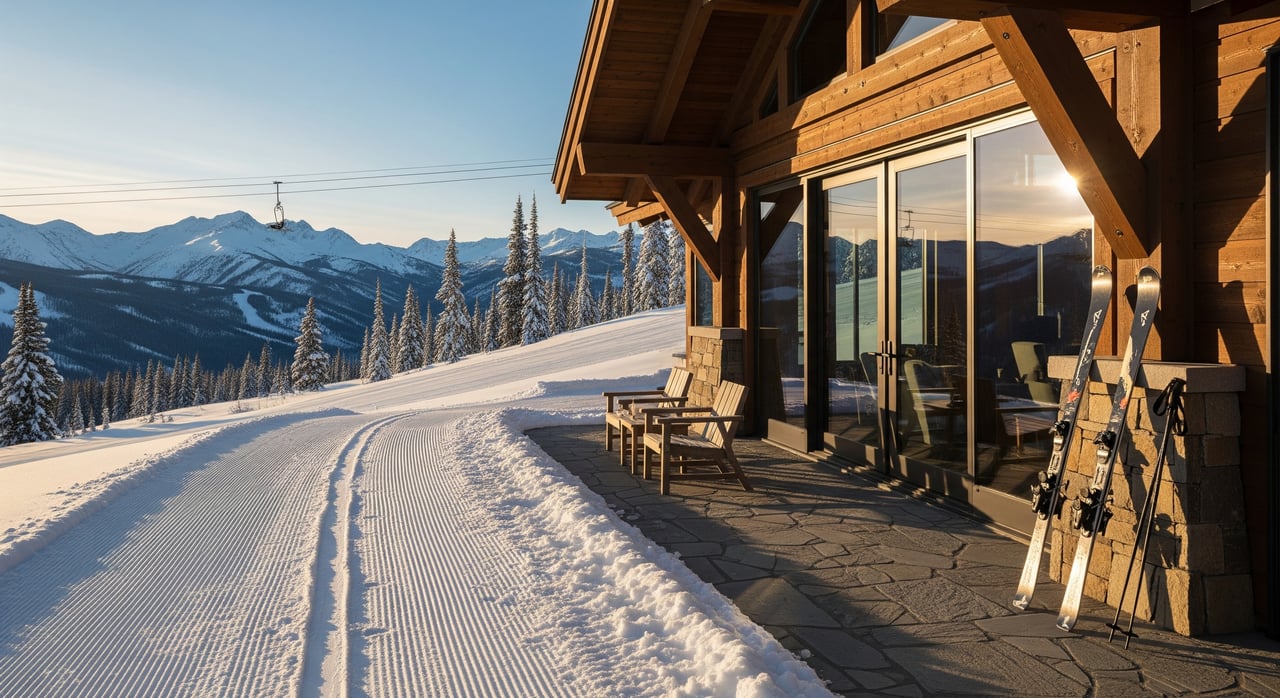
If you’re shopping Tamarack from out of state, “ski-in/ski-out” can sound like a simple promise. In practice, it can range from clipping in at your door to walking in boots or riding a shuttle. You want the real picture before you buy or plan a rental strategy. This guide breaks down what the term means at Tamarack, how to verify it, and which documents to request so you can make a clear, confident decision. Let’s dive in.
Define ski-in/ski-out tiers
Not all “ski-in/ski-out” is equal. Here is a practical way to read the term when you see it in a listing.
- True door-to-piste: Step from your door onto a groomed trail or descent line with skis on. No walking and no road crossings.
- Immediate slope-adjacent (0–200 feet): A short outdoor walk to a groomed path or bridge. You may have a brief flat traverse or boot pack.
- Connector required (200–600 feet or short shuttle): You use a groomed connector, private walkway, or brief resort shuttle to reach a lift or trailhead.
- Resort access or near-slope (600+ feet or requires driving): Marketing may say “ski-access,” but you walk farther, cross a road, or drive to the base. This is not true ski-in/ski-out.
When you compare homes, focus on whether you can put on skis at the property and descend to a named lift or groomed run without removing them.
Tamarack layout and access
Tamarack’s mountain layout creates different levels of access even within the same neighborhood. Units above base areas or on a fall line are more likely to offer true door-to-piste. Homes set laterally or behind roads often rely on connectors, shared paths, or shuttles. Some properties have private or gated connector trails and stairs; others share pathways that may close during storms or certain periods.
Because lift locations, trails, and neighborhood projects can change seasonally, always verify access against the current trail map, parcel map, and HOA guidance rather than relying on older materials or marketing copy.
Map checks that matter
Before you book a flight, you can confirm a lot from your desk. Ask the seller’s agent for maps and compare them carefully.
- Official trail map: Check the nearest named runs, connectors, and lift approach from the parcel.
- Aerial imagery and elevation: Look for a clear fall line from the property to a groomed surface and note any terrain or vegetation that blocks a direct descent.
- Parcel and easement plats: Confirm recorded ski easements or pedestrian connectors. If there is no recorded easement, you may not have a legal right to cross a neighbor’s land.
- Topography at the doorstep: Flat or very steep immediate ground can change practicality, even if the distance is short.
- Road and parking crossings: If you must cross pavement or a service drive, it usually negates true door-to-piste status.
How to verify access claims
Marketing language is not enough. Use these steps to verify what you are buying.
- Request from the listing side:
- An aerial parcel map with the exact route to the nearest groomed trail or lift.
- Recorded easement documents for ski or pedestrian access if crossing other parcels.
- HOA or association map showing which connectors are maintained in winter and which are plowed or groomed.
- Winter photos or a short video showing the route from the property while wearing skis or walking in boots.
- On-site or virtual test:
- If possible, visit in winter, put on skis at the property, and attempt to reach a groomed run or lift without removing them.
- If you cannot visit, have a local agent or manager record the full route during ski season.
- Ask targeted questions:
- Can you leave the property on skis and reach a named lift or groomed run without removing them?
- Is there a legal, maintained connector path and who maintains it?
- Are there stairs, bridges, or flat traverses that require booting or carrying skis?
HOA services and winter operations
Winter operations can make or break true access. Confirm the details with the HOA or building management.
- Services to look for:
- Snow removal for driveways, parking pads, and pedestrian routes.
- Grooming of private connector trails if the neighborhood offers it.
- On-demand or scheduled shuttles to base areas.
- Ski storage rooms, boot dryers, or valets within buildings.
- Road plowing schedules and priority after storms.
- Documents to request:
- CC&Rs and any winter maintenance addenda that define responsibilities.
- The current HOA budget with line items for snow and trail maintenance.
- Winter operations logs if available, noting how often connectors were groomed.
- Insurance and liability language for maintained connectors.
- Practical caveat:
- Even with contracted grooming, big storms can temporarily interrupt access. Ask for historical examples or notes from recent HOA meetings.
Rental demand and STR rules
Ski-in/ski-out status can influence nightly rates and occupancy, but only if the access is consistent and easy to use.
- Demand drivers:
- Seasonality at Tamarack favors winter and summer peaks. Weekends tied to regional drive markets can be strong.
- Events, lifts, restaurants, and amenities support higher demand.
- How to evaluate revenue potential:
- Use third-party STR data tools and local property managers for occupancy, ADR, and seasonality patterns.
- Ask the listing agent for owner rental histories for the specific unit over the last 12–36 months.
- Compare performance to nearby slope-side and village comps.
- Rules to confirm:
- Valley County and HOAs may require permits, taxes, parking limits, guest registration, minimum stays, or on-site management standards.
- Confirm who collects and remits lodging or transient taxes.
Buyer due-diligence checklist
Use this quick list to keep your file complete and decisions clear.
- Property and access:
- Recorded plat, legal description, and current deed.
- Title report with all easements flagged, including ski and pedestrian access.
- Aerial parcel map drawing the precise route to the nearest groomed run or lift.
- HOA and neighborhood:
- CC&Rs, bylaws, rules and regulations.
- HOA budget, reserve study, and recent financials.
- Minutes from the last 12–36 months for maintenance, assessments, or access changes.
- Written winter maintenance plan for connectors and snow removal.
- Any policies on STRs, guest parking, noise, or owner rental programs.
- Market and operations:
- Last 2–3 years of rental revenue and occupancy for the unit, if applicable.
- Comparable STR performance for nearby slope-side units.
- Current and proposed resort development plans that could alter access or views.
- Physical inspection in winter:
- Test skiing from the property to a lift or document why it is not possible.
- Note barriers like fences, steep unmaintained slopes, stairs, or private yards.
- Review ski storage, boot room, and mechanical spaces for guest use.
- Confirm heating, driveway clearing, and vehicle access during heavy snow.
- Insurance and liability:
- Property insurance requirements and any HOA master policy gaps.
- Liability language for HOA-maintained connectors.
Selection criteria and tradeoffs
When you compare options, weigh convenience and lifestyle against cost and rental upside.
- Prioritize properties with:
- Documented legal access to a groomed connector or direct trail.
- No road crossings or pavement between the door and a lift or run.
- HOA or resort contracts that guarantee grooming and snow clearing, with clear costs.
- Proven rental history showing higher ADR and occupancy relative to non-slope units if income matters to you.
- Reliable winter logistics for owners and guests, including plowed parking.
- Consider tradeoffs:
- True slope-side often costs more and may have higher HOA fees, but it can deliver daily convenience and stronger rental premiums.
- Village-proximate homes can still perform well if they offer easier vehicle access, better amenities, or summer appeal.
- Micro-factors at Tamarack:
- Aspect affects snow retention; shade and tree cover can complicate access and maintenance.
- Proximity to base benefits non-skiers and daily errands.
Touring tips for out-of-state buyers
If you cannot be on site during winter, you can still vet access like a local.
- Overlay the resort trail map in a 3D terrain viewer to understand slope angles and fall lines.
- Ask for a winter access video from the property to the nearest named run or lift, recorded in a single take.
- Request winter photos of connectors, stairs, bridges, and any gate or easement signage.
- Clarify who maintains each segment of the route and how often it is groomed after storms.
- Confirm whether access relies on an HOA or resort shuttle during low-snow periods.
The bottom line
At Tamarack, “ski-in/ski-out” spans true door-to-piste to shuttle-assisted access. The difference impacts your daily routine, guest reviews, and your revenue model. Focus on three pillars: legal access (recorded easements and HOA rules), physical topography (fall line and road crossings), and winter operations (grooming, snow clearing, and shuttles). If you secure the right documents and test the route in winter conditions, you will know exactly what you are buying.
If you want a local advocate to verify access, gather the right documents, and compare neighborhoods around the mountain, connect with Dawn Beckman for a Concierge Consultation tailored to your goals.
FAQs
What does “true ski-in/ski-out” mean at Tamarack?
- It means you can step out, clip in at your door, and descend to a named groomed run or lift without crossing roads or removing skis.
How can I confirm a listing’s ski access before visiting?
- Request an aerial parcel map, recorded easements, HOA winter maps, and a winter access video showing the full route from the property.
Who maintains private connector trails in winter?
- Maintenance varies by neighborhood; confirm in the CC&Rs, HOA budget line items, and any grooming or snow-clearing contracts.
Are short-term rentals allowed at Tamarack properties?
- Rules differ by HOA and Valley County; verify permits, parking and noise rules, minimum stays, and tax collection responsibilities.
Do storms affect ski-in/ski-out reliability?
- Yes, heavy snowfall can temporarily interrupt connectors; ask for historical closure notes and the HOA’s snow removal priority schedule.
How much more do slope-side rentals earn?
- It varies by season and unit; use local comps, third-party STR data, and actual owner histories rather than generic percentages.