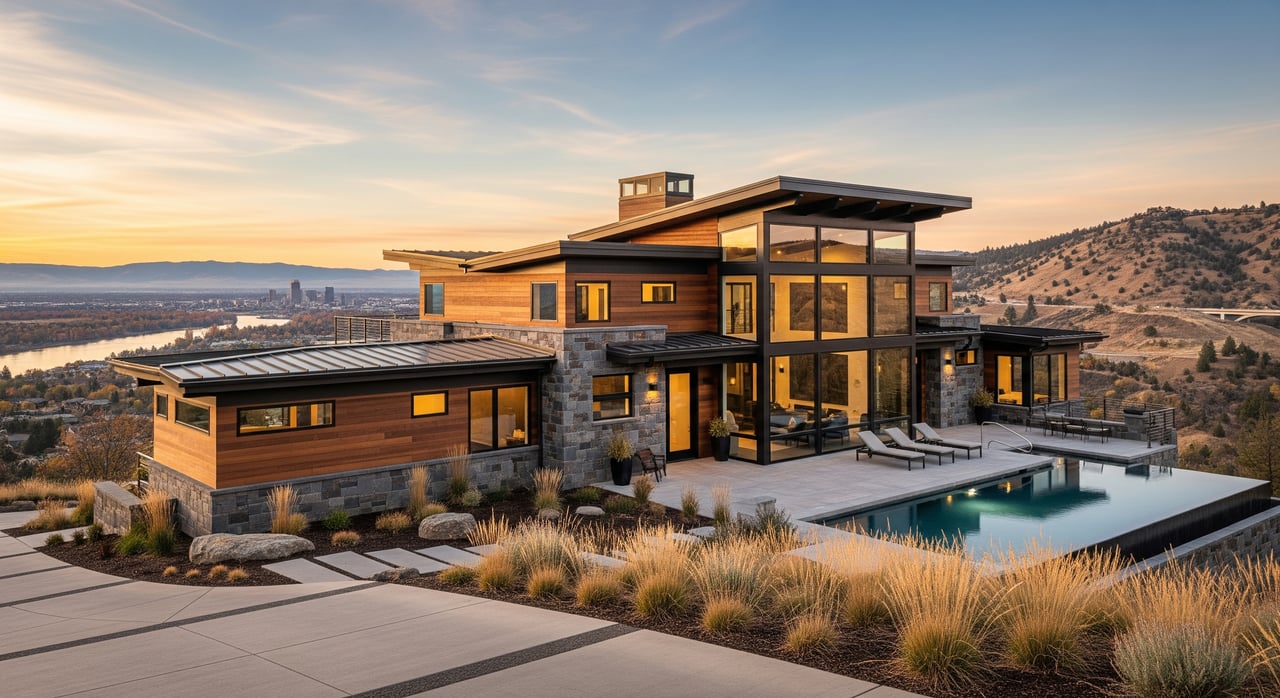
Thinking about building or buying in Boise, but not sure which path fits you best? You are not alone. With fast-changing inventory and new communities expanding on the edges of the city, the choice between a custom build, a semi-custom plan, or a ready-to-go spec home carries real tradeoffs in time, cost, and future resale. This guide breaks down each option in plain English and applies it to how Boise actually works, from permits to financing and neighborhood dynamics. Let’s dive in.
Boise new-build landscape
Boise has seen periods of strong buyer demand and tight resale inventory in recent years, which pushed many buyers toward new construction. That interest ebbs and flows with the market, but new homes remain a key part of the local mix. Most ground-up construction occurs in planned communities or on the city’s edges, while central Boise has fewer open lots and more infill constraints.
Why this matters to you: lot availability, community rules, and local permit timelines can shape cost and schedule. A suburban planned neighborhood might offer predictable timelines and pricing, while a custom infill site could require extra design work, utility coordination, and permitting steps that add time and complexity.
Three paths compared
Before you decide, align what you value most: speed, control, or price predictability. Here is the short version you can keep in mind:
- Speed: Spec > Semi-custom > Custom
- Control: Custom > Semi-custom > Spec
- Price predictability: Spec > Semi-custom > Custom
Spec homes: fast move-in
A spec home is built by a builder without a pre-sale, then offered for purchase when finished or nearly finished. If you are relocating or want a quick move, this is usually the fastest route to keys in hand. Design choices are limited, though you might still pick from a small menu of finishes if construction is not complete.
Pricing is generally clear. You have a list price and any upgrades added after signing are extra. It is easier to compare a spec home’s price against recent neighborhood sales. Builders often offer incentives, and you will receive standard builder disclosures and warranties.
Semi-custom: balance of choice
With a semi-custom build, you choose from a builder’s floor plans and options inside a community. You can personalize finishes, make some layout tweaks, and sometimes pick from available lots. The timeline sits in the middle, often following a builder’s production schedule and spanning several months.
Costs are typically shown as a base price plus allowances for upgrades. Change orders can increase the final price. This path fits you if you want a home that feels personal without the long runway of a fully custom design.
Custom homes: full control
A custom home gives you maximum control over floor plan, materials, and site use, often on a lot you secure separately. Expect the longest and most variable timeline. From permit to move-in, 9 to 18 months or more is common, depending on design complexity, site conditions, weather, and review timelines.
Upfront cost clarity is more challenging. Many custom contracts use fixed price or cost-plus structures with detailed allowances. Change orders are common as design choices evolve. This path fits if you have time, a strong vision, and a higher budget for unique features or site-specific design.
Boise cost drivers
Regardless of the path you pick, several components shape the full price of a Boise-area new home:
- Land or lot cost, including premiums for views, topography, utilities, and orientation.
- Hard construction costs for labor, materials, and site work.
- Soft costs for design, architecture, engineering, permits, and inspections.
- Utility connections and any off-site improvements such as road, sewer, or water extensions.
- Impact, park, and transportation fees, along with any municipal assessments.
- Landscaping, fencing, driveway, and irrigation systems.
- Furnishings and window treatments, which are often not included.
- Contingency funds for upgrades or unforeseen site issues like soil remediation or rock removal.
- Warranty costs, HOA initiation fees, and CC&R compliance where applicable.
If you are comparing builders, ask each one to spell out what is included and what is not so you can compare apples to apples.
Financing options
Financing looks different depending on build type and stage. Lining up the right loan early protects your budget and schedule.
Spec and later-stage semi-custom
If the home is finished, you can often use a standard conventional mortgage, along with a typical appraisal and underwriting process. Builder incentives or seller concessions can affect your net price. For semi-custom homes in later stages, similar conventional financing is common.
Custom and early-stage semi-custom
Custom builds often require a construction loan or a construction-to-permanent loan with one or two closings. These loans can carry higher rates during the build, use draws tied to milestones, and require more documentation. Some programs such as VA, FHA, or USDA offer one-time close options for new construction, but they have specific inspection and lender requirements. Talk to a lender with construction experience early, and review terms whether you use your own lender or a builder’s preferred lender.
Permits and inspections
In Boise, the process typically includes plan review, building permit issuance, staged inspections for foundation, framing, mechanicals, and a final inspection for a certificate of occupancy. Timelines vary based on plan completeness, code cycles, and current backlog. More complex plans, site work, or custom details can lengthen review.
City and county reviewers enforce state-adopted building and energy codes, along with local amendments. If your lot is in unincorporated Ada County, you will follow county processes. Confirm permit requirements and current review timelines with the appropriate jurisdiction before you finalize your schedule.
Contract clarity and changes
How your contract handles allowances, price type, and changes has a big impact on your final cost and stress level.
- Allowances: Common for cabinets, appliances, and flooring. Get the allowance rules in writing, including whether unused amounts are credited at invoice cost or capped.
- Fixed price vs cost-plus: Fixed price offers clarity if plans are complete. Cost-plus tracks actual costs plus a fee. Be sure you understand exposure to material or labor swings.
- Change orders: Ask how each change is priced, approved, and scheduled. Get the process and any fees in writing.
- Lien waivers: Verify that the builder collects subcontractor lien releases at each draw. This helps protect you from future claims.
Resale factors in Boise
Resale value depends on more than finishes. In Boise, location tends to drive outcomes, including proximity to amenities, commute routes, and access to neighborhood features. A well-located spec home can outperform a high-end custom in a less favored setting.
Floor plans that support modern living are in demand. Open layouts, flexible spaces for work or hobbies, extra storage, garage capacity, and strong energy performance all help at resale. Independent inspections, third-party energy ratings, and recognized warranties can boost buyer confidence later.
Lot quality and curb appeal also count. Orientation, landscaping, setbacks, and street presence affect both marketability and appreciation. Be sure to review any HOA rules as they can protect values and also limit future changes.
When you evaluate a specific property’s resale potential, compare recent neighborhood sales of similar homes and lots. Check whether the community is still building out, since you may be competing against brand-new listings for a period. If possible, review the builder’s past projects and resale history.
Builder questions checklist
Use these prompts with any builder so you can compare options clearly:
Project and timeline
- What is a realistic calendar from contract to move-in, and what are the milestones?
- What contingencies could extend the timeline such as weather, permit delays, or material lead times?
Contracts and pricing
- Is the contract fixed price, cost-plus, or base price plus allowances, and can I review a sample in advance?
- How are allowances handled, and do I receive credits for unused amounts at actual invoice cost?
- What is the change order policy, including fees, pricing method, and approval steps?
Quality and subcontractors
- Who are the primary subcontractors, and are they licensed and insured?
- Can I tour completed homes and connect with recent buyers for references?
Warranty, inspections, and punchlist
- What warranties are included for workmanship, systems, and structure, and how does the claims process work?
- Will there be independent inspections or energy ratings, and how is the final punchlist handled and scheduled?
Fees, permits, and utilities
- Which fees are included or excluded, such as impact fees, HOA charges, and utility connections?
- Who secures permits and pays related fees?
Sales process and incentives
- Are incentives tied to using a preferred lender, title company, or agent, and are those incentives negotiable?
- How are deposits and escrow funds handled and protected?
Resale and dispute resolution
- Can you provide recent sales of comparable homes you have built?
- What is your dispute resolution policy, including mediation or arbitration?
Red flags to avoid
- No verifiable local portfolio or references.
- Vague contract terms on allowances or change orders.
- Refusal to allow independent inspections.
- High-pressure tactics to sign or to use specific vendors without clear written incentives.
- Unlicensed or uninsured subcontractors.
Why your own agent
Builder sales staff represent the builder’s interests. Having your own buyer’s agent who knows new construction protects your position. A seasoned agent explains contract terms, allowance practices, and typical contingencies and compares pricing with local comps.
Your agent can negotiate on price, upgrades, and closing costs, watch for unfavorable clauses, and coordinate inspections and milestone deadlines. In many new-construction deals the builder offers a cooperating commission, but confirm compensation and agency agreements in writing so you know who represents you and how they are paid.
Simple choice framework
- Step 1: Prioritize what matters most. If you need to move soon, consider spec. If you want design control and have time, consider custom. If you want some personalization without a long process, consider semi-custom.
- Step 2: Match your profile. Relocating and want predictability? Spec. Moving up and want options? Semi-custom. Seeking a unique or legacy home on a specific site? Custom.
- Step 3: Protect your outcome. Hire an agent with new-build experience, review builder references, get allowances and change order pricing in writing, confirm warranty scope and independent inspections, and verify all municipal and HOA fees before signing. Talk to a local lender early if a construction loan is possible.
When you are weighing build versus buy in Boise, you deserve a process that matches your timeline, taste, and budget without surprises. Our team brings deep experience in new construction, developer sales, and relocation across the Treasure Valley. If you would like a tailored plan, reach out to Dawn Beckman for a Concierge Consultation and a clear next step.
FAQs
How long does a custom build take in Boise?
- From permit to move-in, expect roughly 9 to 18 months or more depending on design complexity, site conditions, weather, and review timelines.
Can I use VA or FHA loans for new construction?
- Some programs offer one-time close options for new builds, but they require specific lenders and inspections, so speak with an experienced lender early.
What costs are not in the base price?
- Common extras include landscaping, fencing, window treatments, utility connections, impact and park fees, and contingencies for site surprises or upgrades.
Is a semi-custom build worth it vs a spec home?
- If you want some personalization and can wait a bit longer, semi-custom balances choice and timeline; if speed and price clarity matter most, spec often wins.
Do I need my own agent when buying new construction?
- Yes, builder sales staff represent the builder, and your own agent can explain terms, negotiate upgrades, track milestones, and protect your interests.
What impacts resale for a new Boise home?
- Location, proven floor plans, energy performance, independent inspections or ratings, curb appeal, and HOA rules all influence future marketability and value.