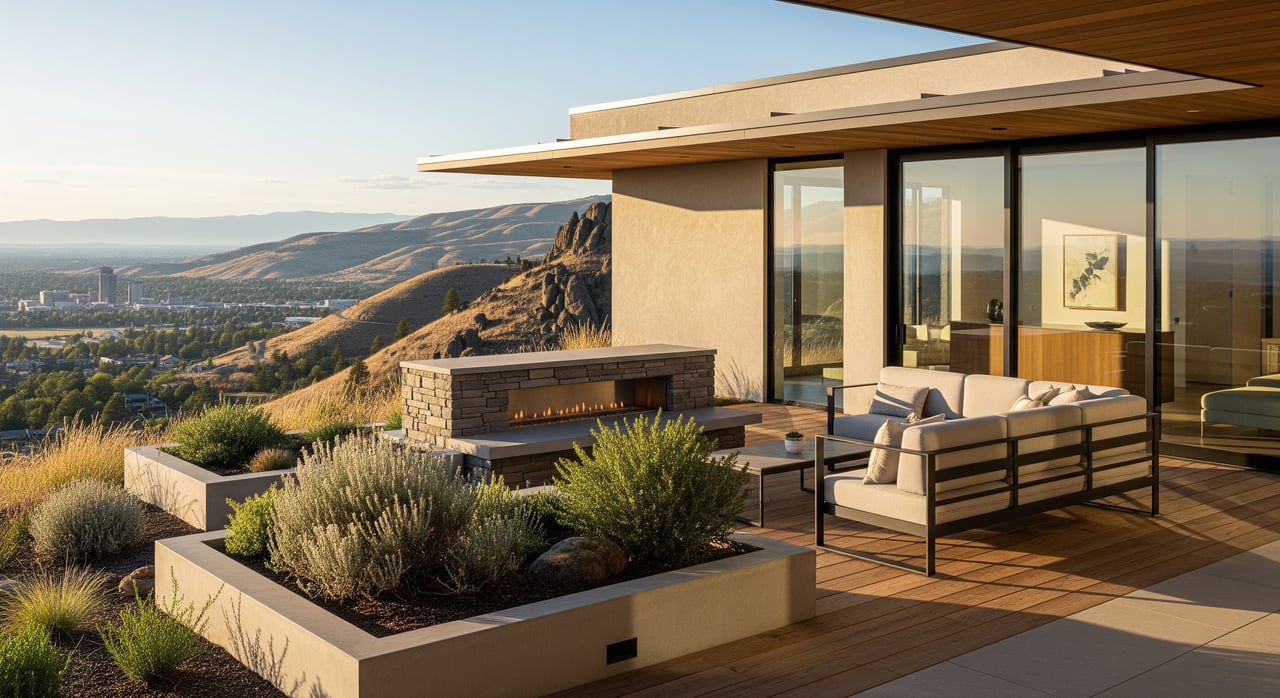
If you crave sunrise trail runs, sunset views, and a quiet street that feels close to nature, Boise’s foothills might be your perfect fit. You want a place that balances an active lifestyle with easy access to downtown and daily essentials. In this guide, you will learn how foothills living really works day to day, from terrain and trails to commute times, home types, and practical considerations like wildfire and slope. Let’s dive in.
What defines the foothills
Boise’s foothills rise just north and east of downtown along ridgelines and open slopes. Locals often refer to landmarks like Table Rock, Camel’s Back, Hulls Gulch, Military Reserve, and the ridge that climbs toward Bogus Basin Road. The exact boundaries are informal, and the area overlaps with parts of the North End and Warm Springs.
You live at the edge of the wildland-urban interface. That means elevated views of the Boise Valley and, on clear days, distant ranges. It also means hillside terrain, native vegetation, and a quieter, more residential feel once you leave the valley floor.
Views, sun, and terrain
Hillside lots shape daily life. Steep, rocky slopes influence driveway grades, how much flat yard you have, and whether a home uses terraces or a walkout design. Orientation matters too. Many homes face west or southwest for valley and sunset views, while winter shading and solar gain vary by slope.
Vegetation trends toward sagebrush, grasses, and juniper at lower elevations, with firs in higher pockets. This native palette supports drought-savvy landscaping and helps with wildfire awareness. Expect lower-maintenance, xeriscape-forward yards rather than expansive lawns.
Trails at your doorstep
The Ridge to Rivers trail network weaves across the foothills for hiking, running, mountain biking, and equestrian use. Popular trailheads near homes include Table Rock, Hulls Gulch, Camel’s Back, Military Reserve, and smaller neighborhood access points. Many residents walk or bike to the trails before work or in the evening.
Etiquette matters on multi-use routes. Keep speeds in check, yield appropriately, and follow any leash and pet rules posted at each area. Peak trail use runs spring through fall, while winter brings lighter traffic and colder but still accessible outings.
Seasonal rhythms
From March through October, mornings and evenings are prime. Weekends see more dogs and families on the trails. In winter, short loops and nearby high-elevation options keep you active. Bogus Basin provides a reliable change of pace with skiing and snow play at higher elevations.
Daily rhythm and amenities
Foothills streets feel calm and residential. You are minutes from downtown but a world away from traffic noise. Most everyday errands happen at the base of the hill, where you will find cafés, groceries, and services. If you prioritize walking to daily amenities, look near established village nodes on the valley edge.
Hosting can take a bit more planning. Steep driveways and tighter on-street parking are common, so communicate parking options to guests and service providers.
Home styles and lot types
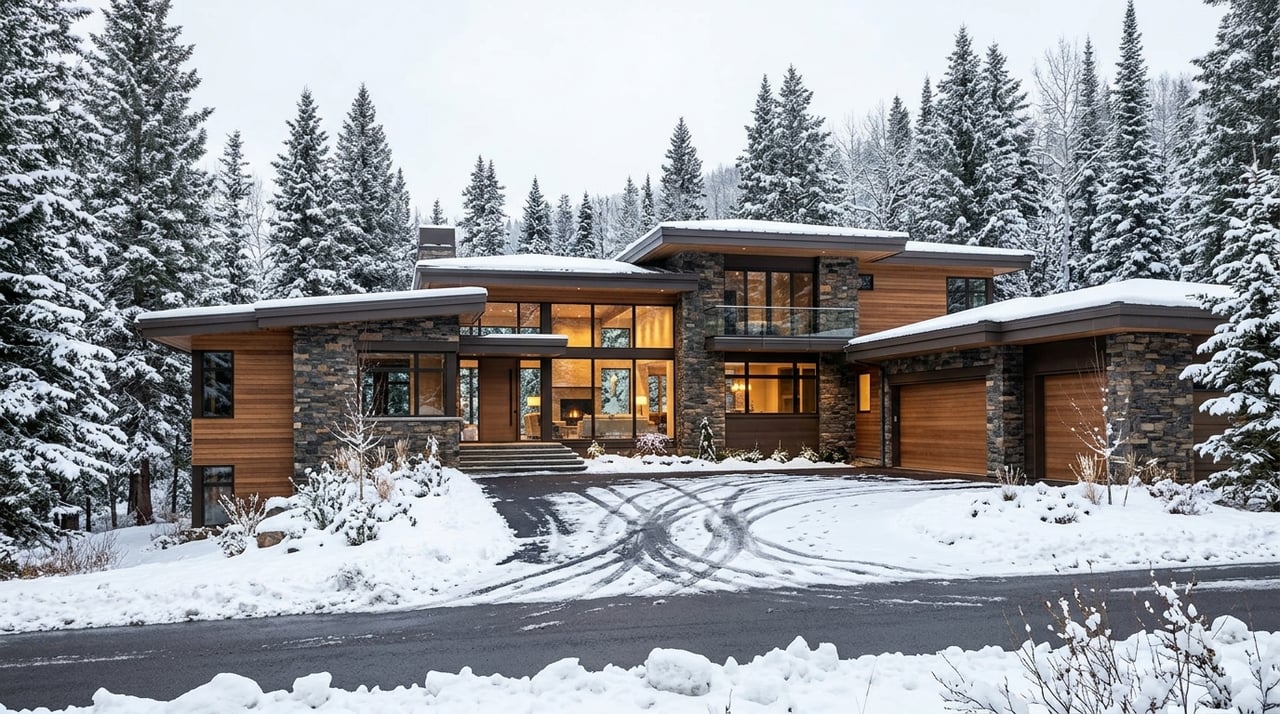
You will see a mix of older cottages and bungalows near the North End slopes, mid-century homes, and custom modern builds that maximize views with multi-level layouts and large windows. New construction and remodels continue where buildable view lots allow.
Lots are often irregular and sloped. Flat yard space can be limited, so outdoor living usually leans on decks, patios, and terracing. Retaining walls and engineered driveways are common solutions that add function and stability.
Ownership and HOAs
Most properties are single-family homes, with some townhomes or small multi-unit buildings closer to the base. Some planned communities include HOAs with architectural controls geared to slope stability and view preservation. Many older hillside parcels do not have HOAs. If you prefer fewer restrictions, that may be a fit. If you want shared standards and maintenance rules, an HOA community can help.
What to expect on price and supply
Foothills homes typically sit at a premium relative to the broader Boise metro. Views, immediate trail access, and limited buildable terrain drive demand. Price points vary widely, from smaller hillside cottages near trailheads to custom properties on larger view lots. New supply is constrained by topography and steep-slope rules, so you will often see remodels and carefully engineered rebuilds rather than broad new tracts.
Commute and getting around
In straight-line distance, the foothills are close to downtown. Winding roads and grades influence actual drive times. Many homes reach downtown in roughly 5 to 20 minutes by car depending on location and traffic.
Public transit coverage is stronger on valley arterials than in the hills. If you want a low-car lifestyle, plan around routes near the base. E-bikes expand practical commuting options to downtown and help flatten the climb home.
Parking and access
Uphill properties may have limited on-street parking. Delivery trucks and contractors can face tight turns or grades. When you tour homes, check guest parking, turnarounds, and garage access so daily routines stay smooth.
Utilities, schools, and services
Most foothills homes within Boise city limits connect to municipal water and sewer. Higher or more remote pockets can vary, so confirm service type at the address level. Internet and fiber availability differ by street. Verify options early if you work from home.
School assignments typically fall within the Boise School District. Boundaries can shift by street, so confirm current attendance zones for any property you consider. Fire and ambulance services cover the foothills, and response logistics can be shaped by narrow or steep roads.
Wildfire, slope, and safety
Foothills living sits at the wildland-urban interface. Many owners create defensible space by clearing brush, managing vegetation setbacks, and choosing fire-resistant landscaping. Check local wildfire mitigation guidance and consider insurance requirements related to brush clearance and materials.
Steep terrain brings geotechnical and drainage considerations. Retaining structures, engineered foundations, and careful grading protect homes and downhill neighbors. Renovations and additions often require geotechnical reports and stricter permitting. Plan for professional evaluations during due diligence.
Winter and maintenance
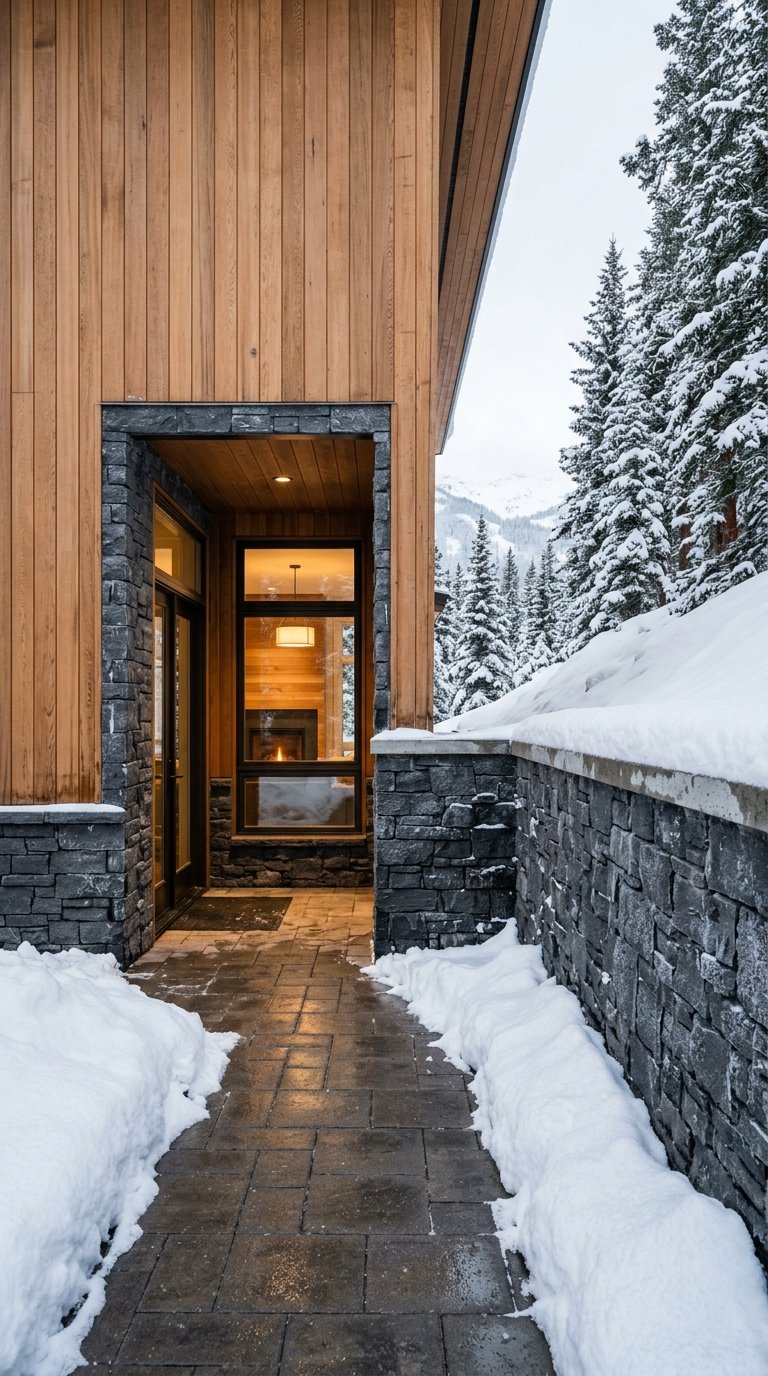
City plows handle many foothills streets, but private driveways remain your responsibility. Steeper grades may need de-icing and traction strategies after storms. Landscaping often leans on native or xeric plantings to reduce summer water use and maintenance.
Zoning, permitting, and design
Steep-slope rules can affect setbacks, height, grading, and vegetation removal. If you plan to build, add on, or rework hardscape, review zoning maps and permitting guidance with the city or county. Early conversations help you set realistic timelines and budgets.
Buyer checklist for the foothills
Use this quick list to frame due diligence:
- City limits or county: Confirm jurisdiction, taxes, utilities, and permitting.
- Utilities: Verify water, sewer, and internet type and capacity at the address level.
- School assignment: Check current boundaries for the specific street.
- Slope history: Ask for geotechnical reports, any slope stabilization work, and recorded easements.
- Wildfire mitigation: Review defensible-space measures and insurance requirements.
- HOA and CC&Rs: Understand architectural controls and any view or landscaping standards.
- Drive and park test: Visit at commute hours and with a guest vehicle to assess access and parking.
- Winter plan: Ask about street plowing, driveway grade, and owner responsibilities.
- Trail access: Learn the nearest trailheads, rules, and parking patterns.
Is foothills living right for you
If you value a calm street near open space, a quick hop to downtown, and a home that makes the most of views, the Boise foothills deliver. Success comes from matching the right lot and design to your lifestyle and planning for the realities of slope, access, and seasonal care. A thoughtful search and targeted due diligence will help you enjoy the best of the hills from day one.
Ready to explore Boise’s foothills with a local who understands both lifestyle and logistics? Request a Concierge Consultation with Dawn Beckman for tailored guidance and a curated tour of homes that fit how you live.
FAQs
What areas are considered Boise’s foothills
- The ridgelines and slopes north and east of downtown, commonly around Table Rock, Camel’s Back, Hulls Gulch, Military Reserve, and the corridor toward Bogus Basin Road.
How long is the commute from the foothills to downtown Boise
- Typical drives run about 5 to 20 minutes depending on the exact location, road geometry, and traffic during peak hours.
Are there public transit options in the foothills
- Valley Regional Transit routes mainly serve valley arterials near the base; direct hillside coverage is limited due to topography.
What types of homes are common in the Boise foothills
- A mix of older cottages and bungalows near edge neighborhoods, mid-century homes, and custom modern builds designed for views and sloped lots.
Is wildfire a concern when living in the foothills
- Yes. Properties sit at the wildland-urban interface, so defensible space, vegetation management, and insurance requirements are important parts of ownership.
Do most foothills homes have HOAs
- Some planned communities do, often with architectural and slope-related standards. Many older hillside parcels do not. Always review CC&Rs for the specific property.
What should I check before buying a foothills home
- Verify utilities and internet, school assignment, geotechnical and slope history, wildfire mitigation, access and parking, winter maintenance, and any HOA rules.
Can I remodel or add on to a hillside home easily
- Renovations often require geotechnical reports and can trigger steep-slope permitting limits on grading, height, and setbacks. Plan for extra time and professional guidance.